We love spoiling our furry companions, especially when those puppy-dog eyes beg for a bite of what’s on our plate. But while sharing food might feel like love, many human treats can be harmful—or even deadly—for pets.
Common Human Foods That Are Dangerous for Pets
Some of the foods we eat daily can pose serious health risks to dogs and cats:
1. Chocolate
Toxic to both dogs and cats, chocolate contains theobromine, which can cause vomiting, tremors, heart issues, and even seizures.
2. Onions and Garlic
Even small amounts of onions, garlic, or chives (raw, cooked, or powdered) can damage red blood cells and cause anemia in pets.
3. Grapes and Raisins
These seemingly innocent fruits can cause kidney failure in dogs—even a small quantity can be dangerous.
4. Alcohol and Raw Dough
Alcoholic drinks or unbaked dough can lead to alcohol poisoning or severe bloating in pets.
5. Caffeine
Just like chocolate, caffeine stimulates the nervous system. In pets, it can cause hyperactivity, abnormal heart rhythms, and muscle tremors.
Safe Treat Alternatives
Want to show your love through food? Here are some safe, pet-friendly treats instead:
Carrots
Bananas
Cooked, unseasoned chicken
Cooked salmon
Plain, cooked sweet potatoes
Remember: Everything in moderation! Even healthy treats should make up no more than 10% of your pet’s daily diet.
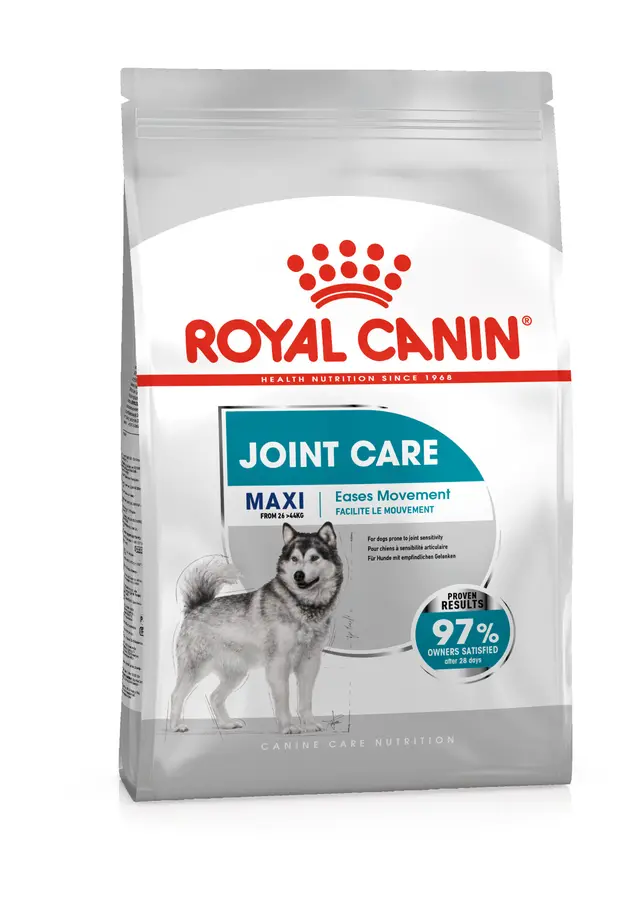
Why Vet-Recommended & Dry Dog Food Matter
Instead of risking it with human food, trust the nutrition experts!
Vet-Recommended Diets
Veterinarians suggest balanced dog food that meets your pet’s age, breed, size, and health conditions. These formulas are carefully designed to ensure:
Complete nutrition
Healthy weight maintenance
Fewer allergies and digestive issues
Benefits of Dry Dog Food (Kibble)
Promotes dental health by reducing plaque buildup
Easy to store and portion
Often enriched with essential vitamins, minerals, and joint-supporting ingredients
Budget-friendly and long-lasting
Look for quality brands with meat as the first ingredient, no artificial fillers, and a guarantee of AAFCO nutritional adequacy.
🐕 Your pet’s well-being starts with what goes in their bowl. Stick to trusted dry food and vet-approved diets for a longer, healthier life.
Teach Them “No Begging” Behavior
Preventing pets from sneaking bites is about training too.
Tips:
Feed them before your meal.
Give treats in their bowl only—not from the table.
Reward them for staying calm during human mealtimes.
What to Do If Your Pet Eats Something Toxic?
If you suspect your pet has eaten something they shouldn’t, act fast:
Call your vet immediately.
Provide information: what they ate, when, and how much.
Keep emergency contacts like your local animal hospital or poison helpline handy.
“Not all dogs are great swimmers and not all pools are considered dog friendly.”